
Greece & Rome · c. AD 28 · Velsen, North Holland, Netherlands
Roman soldier in Velsen well was stabbed in a frenzy, study finds
Leiden archaeologists reopened a 1977 find and think the man's own comrades most likely killed him.
News from the ancient world
The Roman army was the military force of Rome, first under the Republic and then the Empire. By the 1st and 2nd centuries AD it was a standing professional army of citizen legionaries and non-citizen auxiliaries. Much of it was stationed along the frontiers, which ran along the Rhine and Danube in Europe and across northern Britain, where Hadrian's Wall was built in the 2nd century AD. Forts, legionary fortresses and temporary marching camps held these borders, and the soldiers who lived in them left weapons, buildings, rubbish and graves behind.
Recent finds add detail to this picture. A rescue excavation in Windisch, Switzerland, has traced the timber-and-earth wall of the first military camp at Vindonissa and found what may be the country's first known Roman bread. Ditches at Aken, Trabitz and Deersheim in Saxony-Anhalt mark marching camps of the early 3rd century AD, and a coin of Caracalla suggests a campaign around AD 213. A bronze cup found near Berlanga de Duero in Spain lists forts on the eastern sector of Hadrian's Wall.
Greece & Rome · c. AD 28 · Velsen, North Holland, Netherlands
Leiden archaeologists reopened a 1977 find and think the man's own comrades most likely killed him.

Greece & Rome · 2nd century AD · Berlanga de Duero, Soria, Castile and León, Spain
Found by a farmer near Berlanga de Duero, the 2nd-century bronze cup is the first of its rare type to list forts on the Wall's eastern sector.

Greece & Rome · AD 400–700 · Altheim near Landshut, Bavaria and Hesse, Germany
Genomes from 258 people buried in Bavaria and Hesse between AD 400 and 700 show northern Europeans arrived before Rome's collapse and merged with provincial populations after about 470.

Greece & Rome · Early Roman Empire (Augustus to 1st century AD) · Windisch (Vindonissa), Aargau, Switzerland
A rescue excavation in Windisch, Aargau, has traced the timber-and-earth wall of Vindonissa's first military camp and found what may be Switzerland's first known Roman bread.
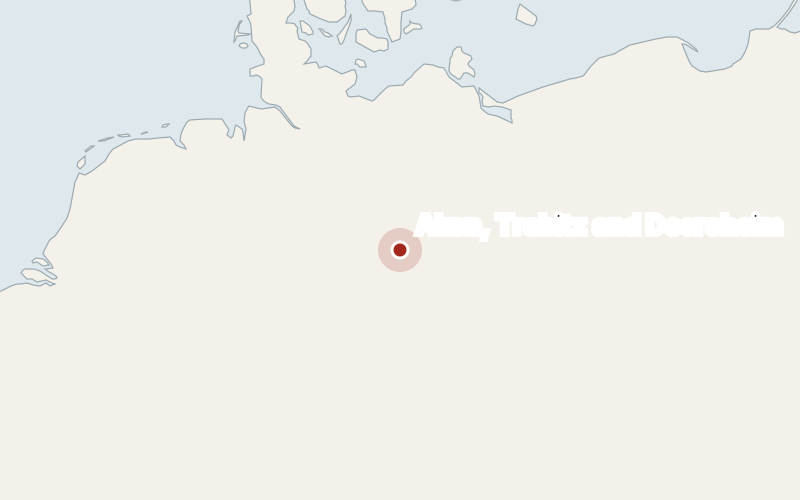
Greece & Rome · Early 3rd century AD · Aken, Trabitz and Deersheim, Saxony-Anhalt, Germany
Ditches at Aken, Trabitz and Deersheim in Saxony-Anhalt date to the early 3rd century AD, and a coin of Caracalla suggests a campaign around AD 213.