The roughly 9,000-year-old work area had a stone-paved floor and six postholes, and Turkey's culture minister says local mining continued for about 2,000 years.
· Announced by Turkish Ministry of Culture and Tourism · Official announcement
Stone Age · c. 3000 BC · Fanshan, Liangzhu, Zhejiang, China
The 70-centimetre sculpture, about 11,000 years old, reverses a known motif at the site, where earlier statues show humans carrying live leopards on their backs.
· Announced by Turkish Ministry of Culture and Tourism and General Directorate of Cultural Heritage and Museums · Official announcement
A Science Advances study argues that people rode, milked and managed horses in the 4th millennium BC, long before the spread of the DOM2 lineage around 2200 BC.
· Peer-reviewed paper
Stone Age · c. 4300–2300 BC · Valdelasilla, Illescas, Toledo, Castilla-La Mancha, Spain
Archaeologists recorded the Neolithic island above and below the waterline as one structure, using a new shallow-water camera method described in Advances in Archaeological Practice.
· Announced by University of Southampton and University of Reading · Peer-reviewed paper
Stone Age · Late 4th to 3rd millennium BC · Bury, Oise, Hauts-de-France, France
Genomes of 132 people buried near Paris show the tomb's first community collapsed around 3000 BC and was replaced by newcomers with ancestry from southern France and Iberia.
· Announced by University of Copenhagen and CNRS · Peer-reviewed paper
A 350-square-metre building at Stăuceni-'Holm' near Botoșani gave radiocarbon dates of the 40th or 39th century BC, later than its pottery phase is thought to have ended.
· Announced by Friedrich-Alexander University Erlangen-Nuremberg and Botoșani County Museum · Peer-reviewed paper
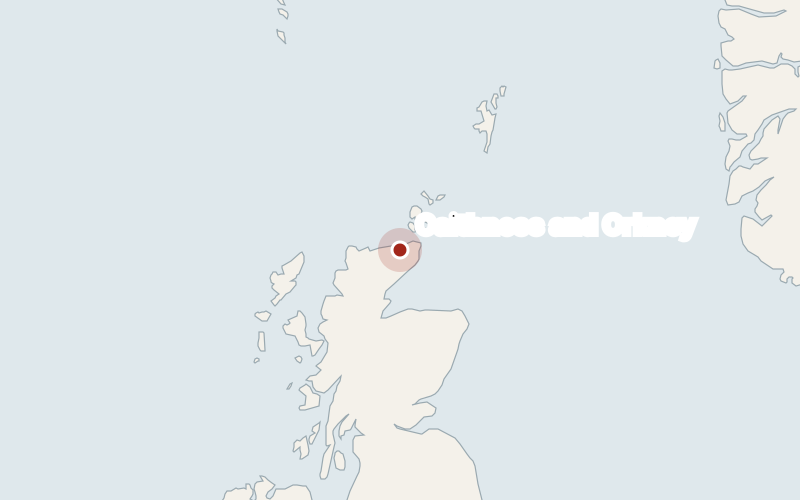
Stone Age · c. 3800–3200 BC · Caithness and Orkney, Highland and Orkney, Scotland, United Kingdom
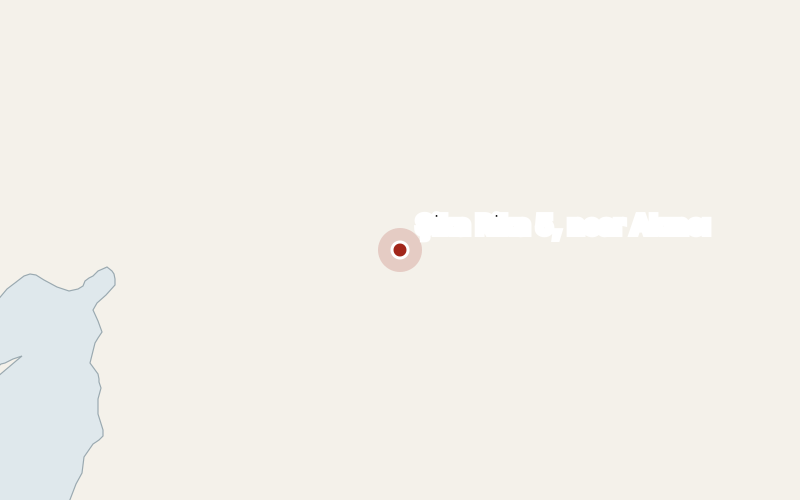
Round stone houses at Şika Rika 5 in Mardin province date to about 12,000–10,000 BC, and the team says settled life there may have had deeper local roots than thought.
· Announced by Mardin Artuklu University · Peer-reviewed paper
Milk fats in pottery and milk proteins in dental plaque place dairying in western Iran in the seventh millennium BC, according to a Nature Human Behaviour study.
· Peer-reviewed paper
Stone Age · c. 5635–5230 BC · La Marmotta, Anguillara Sabazia, Lazio, Italy
Wood analysis of 19 bows from La Marmotta, near Rome, shows its early farmers used six local tree species, most often hornbeam, in an area where yew did not grow.
· Announced by CONICET and Museo delle Civiltà · Peer-reviewed paper
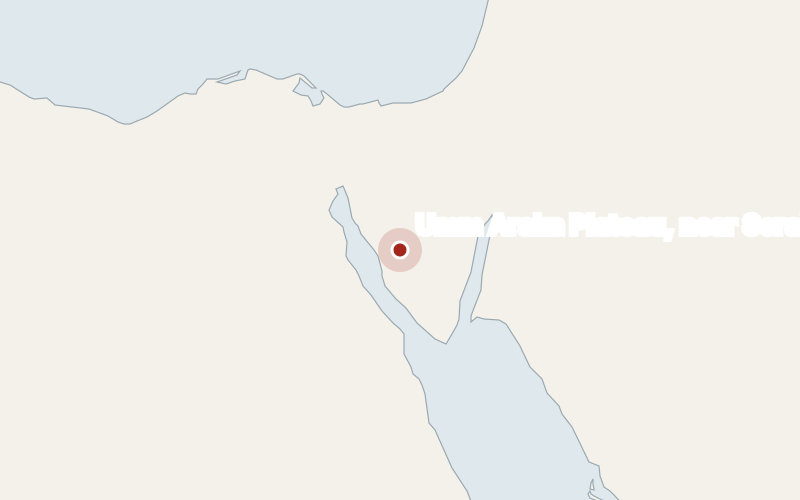
Stone Age · c. 10,000–5500 BC · Umm Araka Plateau, near Serabit el-Khadim, South Sinai, Egypt
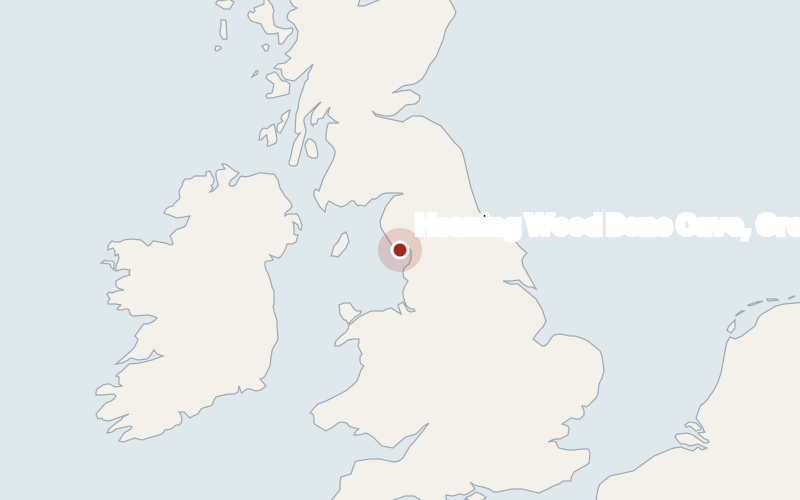
The child, aged 2.5 to 3.5 and named the Ossick Lass, was buried between 9290 and 8925 BC in a cave later reused by Neolithic and Bronze Age communities.
· Announced by University of Lancashire · Peer-reviewed paper
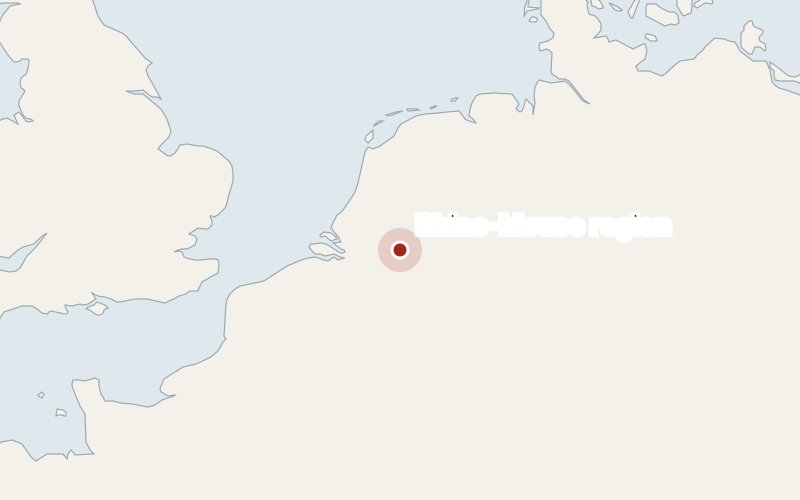
A Nature study of 112 genomes finds farmer ancestry entered Rhine-Meuse forager groups mainly through incoming women, until steppe newcomers arrived around 2500 BC.
· Announced by Harvard University and University of Huddersfield · Peer-reviewed paper
Stone Age · c. 3300 BC · Badari, Asyut Governorate, Egypt
Wear marks and six coils of leather thong indicate that a 63-millimetre copper alloy tool from a Predynastic grave was spun with a bow about 5,300 years ago.
· Announced by Newcastle University and Academy of Fine Arts Vienna · Peer-reviewed paper
Stone Age · c. 9000 BC · Kızılöz, Samsat, Adıyaman province, Turkey
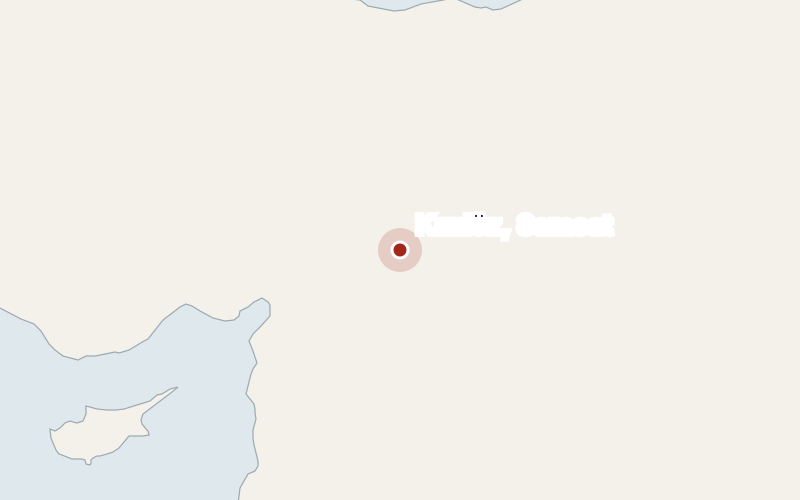
Falling water in the Atatürk Dam reservoir exposed stone enclosures near Kızılöz village in Samsat, which investigators believe are around 11,000 years old.
· Announced by Adıyaman Museum Directorate and Adıyaman University · Official announcement
Stone Age · c. 7500 BC · Hora 1, Mount Hora, Northern Region, Malawi
An adult woman was burned on a large, tended pyre some 6,000 years before Africa's next known cremations, and people lit fires on the spot for centuries afterwards.
· Announced by University of Oklahoma and Yale University · Peer-reviewed paper