The 7th or 8th-century ship that sank near Mljet carried more than 600 grams of gold, jewelled belt sets and a signet ring showing a Heraclian emperor.
· Announced by Croatian Conservation Institute and Stanford University · Official announcement
Byzantium · 4th century AD · Ain el-Sabil, Dakhla Oasis, New Valley Governorate, Egypt
The 4th-century AD mudbrick settlement at Ain el-Sabil had a street grid, a central church, a fortress and an earlier house that may have served as a church.
· Announced by Supreme Council of Antiquities and Egyptian Ministry of Tourism and Antiquities · Official announcement
Byzantium · 6th century AD · Great Lavra Monastery, Mount Athos, Mount Athos, Greece
The southern hall at Hippos, above the Sea of Galilee, was sealed by the earthquake of AD 749 with a three-cavity marble block, a reliquary and a bronze candelabrum inside.
· Peer-reviewed paper
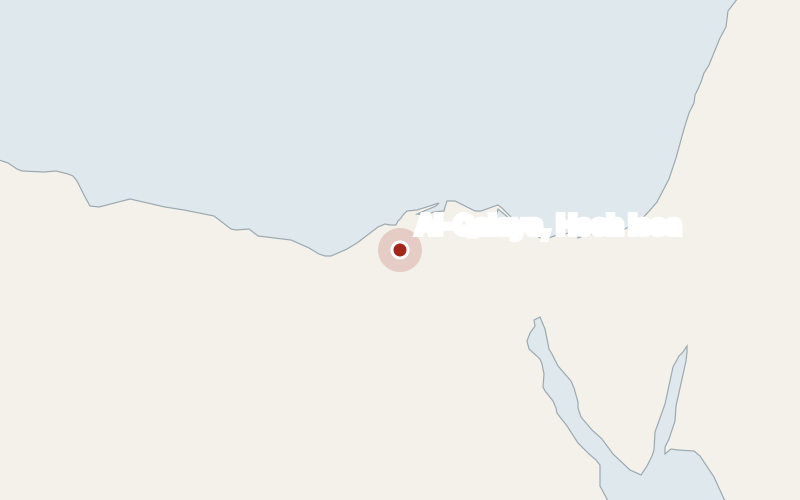
Byzantium · 5th century AD · Al-Qalaya, Hosh Issa, Beheira, Egypt
The 10th-century leaf, identified in Blois by CNRS researcher Victor Gysembergh, carries part of On the Sphere and the Cylinder and is half hidden under a painting added around 1942.
· Announced by CNRS and Sorbonne University · Peer-reviewed paper
Byzantium · c. AD 712/713 · St Catherine's Monastery, Mount Sinai, South Sinai, Egypt
Written around AD 712/713 in Syriac and later translated into Arabic, the 'Maronite Chronicle of 713' survives in one damaged 13th-century copy at St Catherine's Monastery.
· Announced by Austrian Academy of Sciences and Early Manuscripts Electronic Library · Peer-reviewed paper
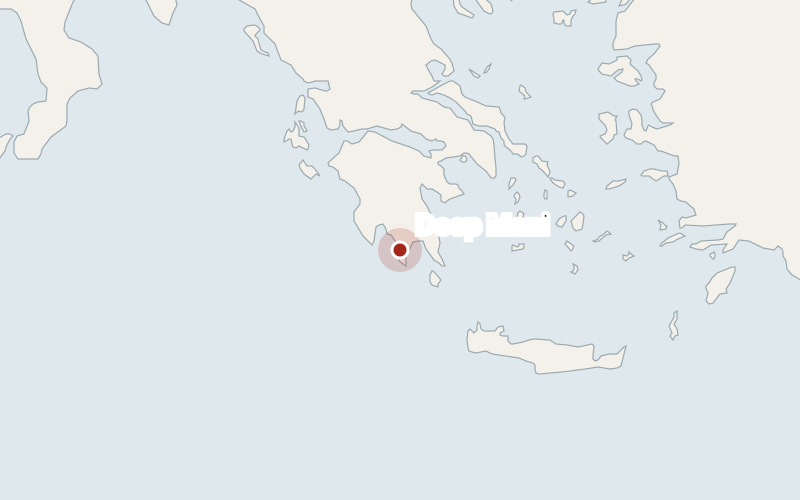
Byzantium · 7th–15th century AD · Deep Mani, Peloponnese, Greece
Over half of men in the remote Peloponnese region descend from one man who lived around the 7th century AD, which researchers read as a sign of a severe population collapse.
· Announced by University of Oxford and Tel Aviv University · Peer-reviewed paper
Bodies were laid in the disused arena within days, and the University of South Florida team says the dead were part of a mobile population within the city.
· Announced by University of South Florida and University of Sydney · Peer-reviewed paper
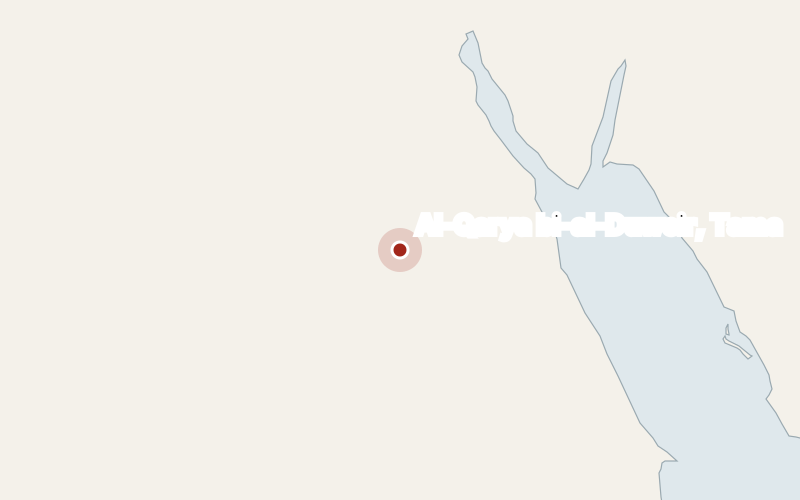
Byzantium · 5th–6th century AD · Al-Qarya bi-al-Duweir, Tama, Sohag Governorate, Egypt
Excavators in Upper Egypt found a fifth- or sixth-century AD monastic complex with a church, vaulted rooms thought to be monks' cells and Coptic inscriptions.
· Announced by Supreme Council of Antiquities and Ministry of Tourism and Antiquities (Egypt) · Official announcement