Ancient DNA is genetic material recovered from the remains of people, animals and plants that lived long ago, most often from bone and teeth. Advances in sequencing since the 2000s have made it possible to read whole genomes from skeletons thousands of years old. Archaeologists and geneticists use these genomes to study how populations moved and mixed, how people were related to one another, and how diseases spread, alongside the evidence of excavation and radiocarbon dating.
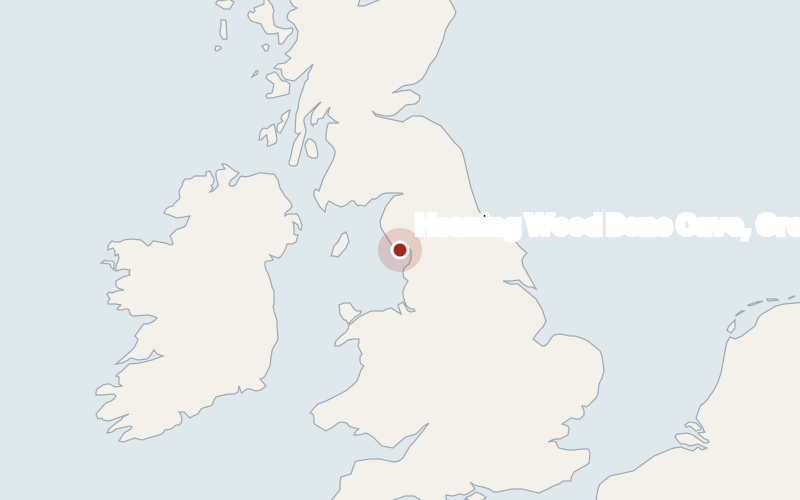
Recent studies cover periods from the end of the Ice Age to the early Middle Ages. In Cumbria, DNA identified the Ossick Lass, a child buried between 9290 and 8925 BC, as northern Britain's oldest burial. Genomes of 132 people from a megalithic tomb near Paris show its first community collapsed around 3000 BC and was replaced by newcomers with ancestry from southern France and Iberia. In Iberia, a study of 243 people from the 1st to 8th centuries AD puts the Visigoths' genetic share at 12 to 22 percent, and finds Roman rule changed the population more.
11 stories, newest first.